
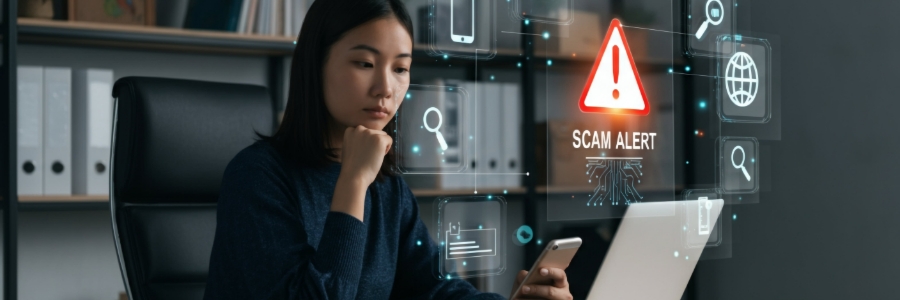
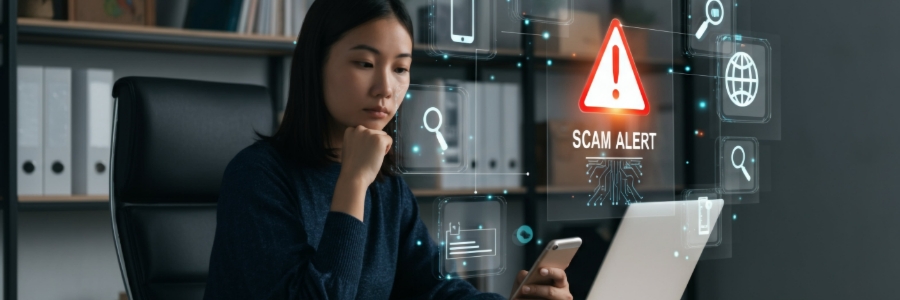
Malware and phishing attacks are among the most dangerous cyber threats facing businesses today. From ransomware that locks your data to deceptive emails that steal credentials, these digital dangers can cripple operations overnight. This guide breaks down the most common threats and explains how to protect your business from them. Whether it is using strong passwords, monitoring your network for suspicious activity, or educating your employees, taking these steps will help fortify your business against cybercriminals.
Understanding Malware and Phishing: The Top Cyber Threats
Malware refers to any malicious software designed to steal data, disrupt operations, or damage computer systems. This umbrella term covers various cyberthreats such as:
- Viruses – self-replicating programs that spread from computer to computer
- Spyware – software that secretly monitors and collects personal information
- Adware – programs that display unwanted advertisements
- Trojan horses – malicious software disguised as legitimate programs
- Ransomware – software that blocks access to your data until you pay a ransom
To safeguard your business from malware, you should have top-notch anti-malware protection in place. You also need to educate your team about common malware types and emphasize the importance of avoiding suspicious links, websites, and files to prevent infection. You can implement these and other security measures yourself, or you can team up with a managed IT services provider (MSP) who can handle all this for you.
Phishing Scams
Phishing is a deceptive practice where cybercriminals send fraudulent messages that appear to come from trustworthy entities to trick victims into revealing personal or financial information. Such scams often lead to identity theft, financial loss, and data breaches. Malware and phishing frequently work together – a phishing email may deliver a malware payload directly to your inbox.
You can protect your business against phishing scams by conducting employee security awareness training where you teach your team to spot common phishing signs, including:
- Urgent requests for personal information – Legitimate businesses rarely ask for sensitive data through email.
- Suspicious links or attachments – Hover over links to check the actual URL before clicking.
- Poor grammar and spelling – Phishing emails often contain grammatical or spelling errors.
- Generic greetings – Emails that address you as Dear Customer are likely phishing attempts.
- Imitation of trusted brands – Cybercriminals often mimic well-known companies to gain trust.
By teaching your employees to recognize these red flags, you can significantly reduce your risk of falling victim to a phishing attack. For example, regular simulated phishing tests have been shown to dramatically lower click rates on malicious emails. In addition, combining training with technical controls such as email filtering provides a stronger defensive posture.
Distributed Denial-of-Service (DDoS) Attacks
A DDoS attack happens when cybercriminals bombard your servers with overwhelming amounts of traffic, causing these to crash or become inaccessible. This disruption can significantly impact your business operations. DDoS attacks can be difficult to defend against because they can come from multiple sources at the same time. As a result, the effects can be long-lasting, with recovery sometimes taking days or even weeks.
However, working with a managed security provider gives your business continuous monitoring and rapid response capabilities that reduce this risk. Learn more about how DDoS attacks work and how to mitigate them from Cloudflare.
Password Attacks
In a password attack, cybercriminals try to break into your systems by stealing or cracking passwords. They may use brute-force methods or social engineering tactics to get people to reveal their passwords. Using weak or repetitive passwords makes your business an easy target. Once in your systems, cybercriminals can steal data, install harmful software, or cause other damage.
To protect against password attacks, require your employees to use strong, unique passwords. Enable multifactor authentication (MFA) whenever possible. MFA requires users to provide more than just their password to access systems. Therefore, even if a cybercriminal gets hold of an employee password, they will still need another form of identification to get in.
Understanding these common cyberthreats is the first step to safeguarding your business. Malware and phishing alone account for the majority of successful breaches each year. To better boost your company security posture, partner with a trusted MSP like us. Our cybersecurity services provide expert guidance, implement security measures, and respond to incidents effectively.